Identify any spider
Upload a single photo and discover the species in seconds — complete with venom-risk indicators, look-alike alerts, habitat data and expert guides. Free to try, no app required.
- AI-POWERED
- 50,000+ SPECIES
- VENOM RISK ALERTS
- 100% FREE TO TRY
*Top-match accuracy on clear, well-lit images of common species.
Identify your spider right now
Drop a photo below and get the most likely species, a confidence score and a clear venom-risk indicator — in under three seconds.
Drop a spider photo to identify
or browse your files — JPG, PNG or WebP, up to 10MB
Trained across common & medically significant species worldwide
From photo to species in five steps
The same pipeline a field expert runs — detection, feature extraction and matching — compressed into under three seconds.
Capture or upload
Take a clear, well-lit photo of the spider — or upload one you already have. A side angle showing the legs and body works best.
Detection & isolation
Computer vision locates the spider and separates it from leaves, walls and shadows so only the animal is analysed.
Feature extraction
The model measures leg proportions, body segmentation, colour patterns, markings and — where visible — eye arrangement.
Model prediction
Those features are matched against a dataset trained on thousands of labelled images to rank the most likely species.
Result + venom risk
You get the top matches with a confidence score and a clear venom-risk indicator — in under three seconds.
Not a guess — a biology-tuned match
Raw image matching only gets you so far. Real arachnology refines every prediction so you can act with confidence.
Arachnology-based analysis
Beyond raw pixels, predictions are refined with real biology — eye arrangement, leg stance and web type sharpen the match.
Venom-risk indicators
Every result is flagged harmless, mild, caution or dangerous, so you instantly know whether to keep your distance.
Look-alike detection
Brown recluse vs harmless cellar spider, widow vs false widow — the model surfaces the differences that matter.
Multi-feature matching
Body shape, leg banding, markings and posture are weighed together — not a single trait that a blurry photo could fake.
Global species coverage
From house spiders to the Brazilian wandering spider, the dataset spans common and medically significant species worldwide.
Safety-first guidance
Suspected dangerous species come with clear next-step advice — because an identification should help you stay safe.
The five signals that give a spider away
Tap a signal to see what the model reads. Together, these features narrow thousands of species to a confident shortlist.
Know your eight-legged neighbours
From harmless house spiders to the species worth respecting — each profile carries identifiers, habitat and a clear venom-risk rating.
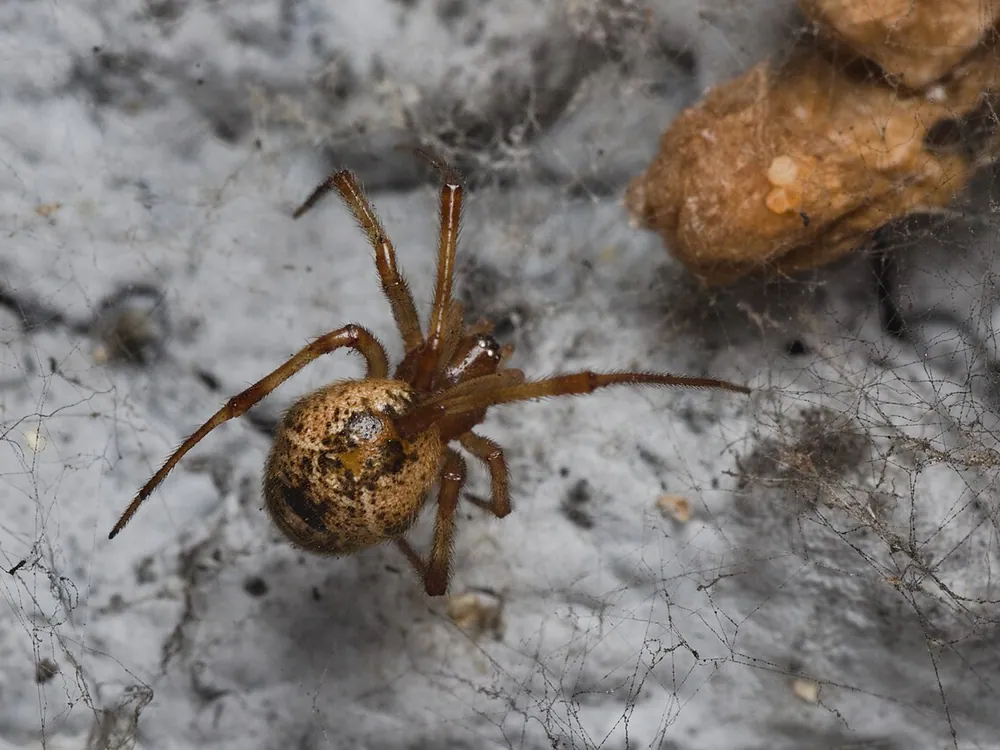
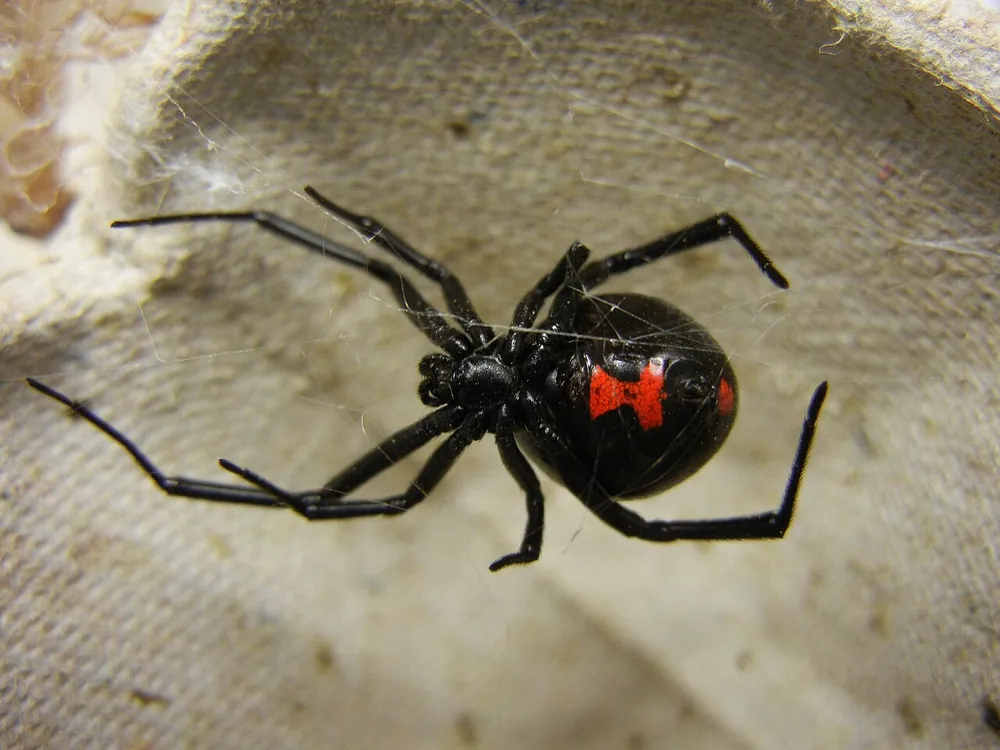
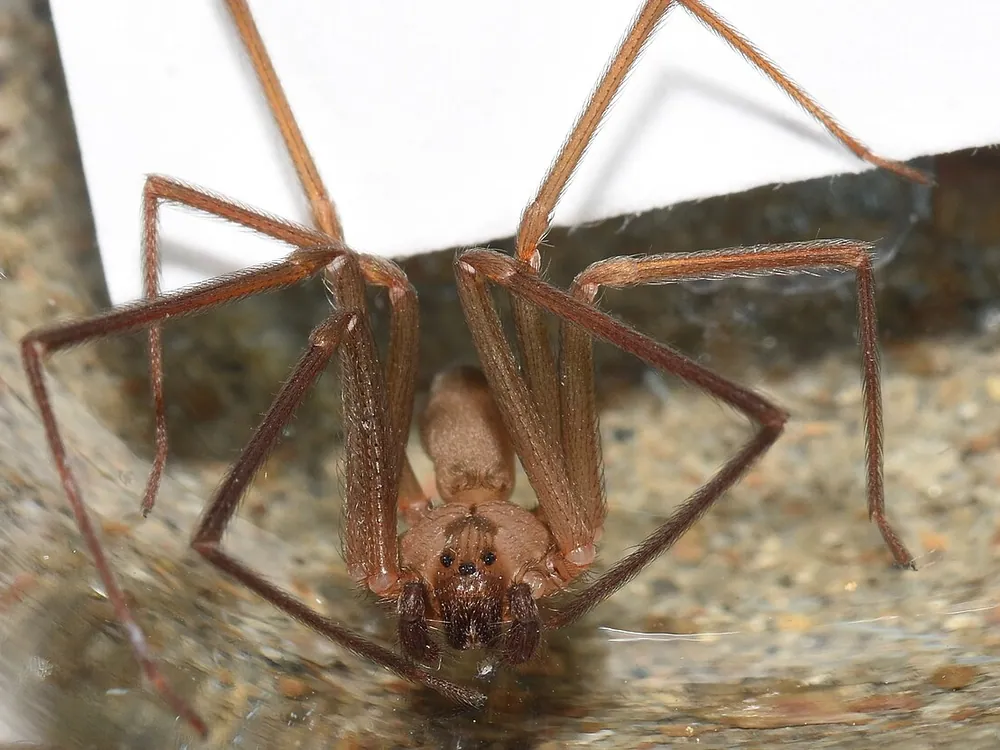
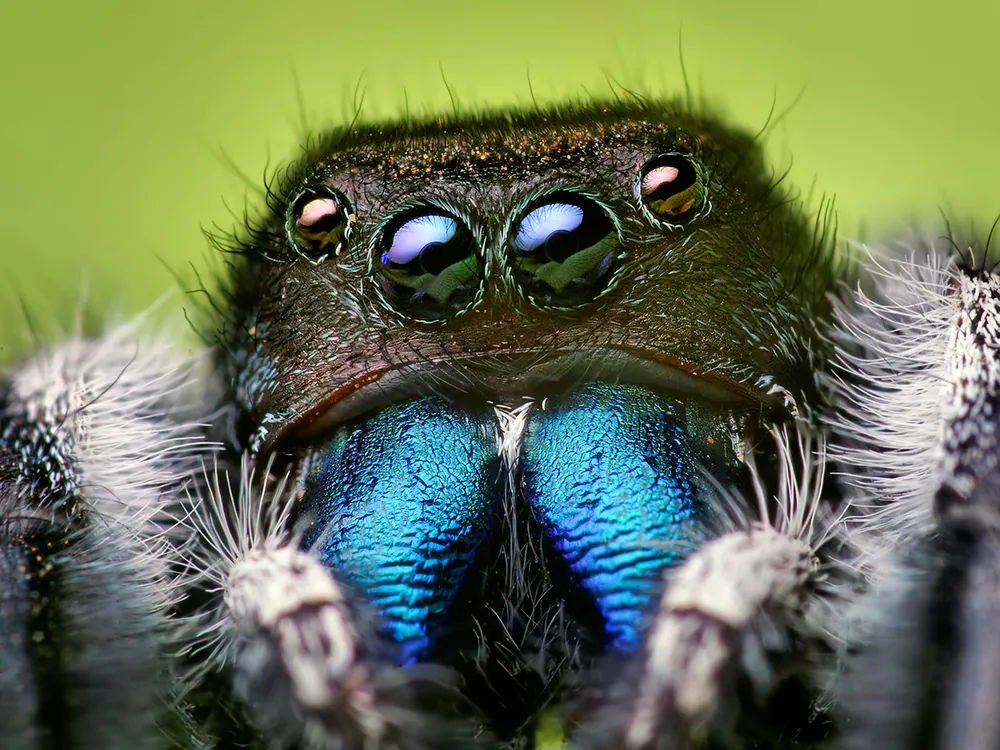
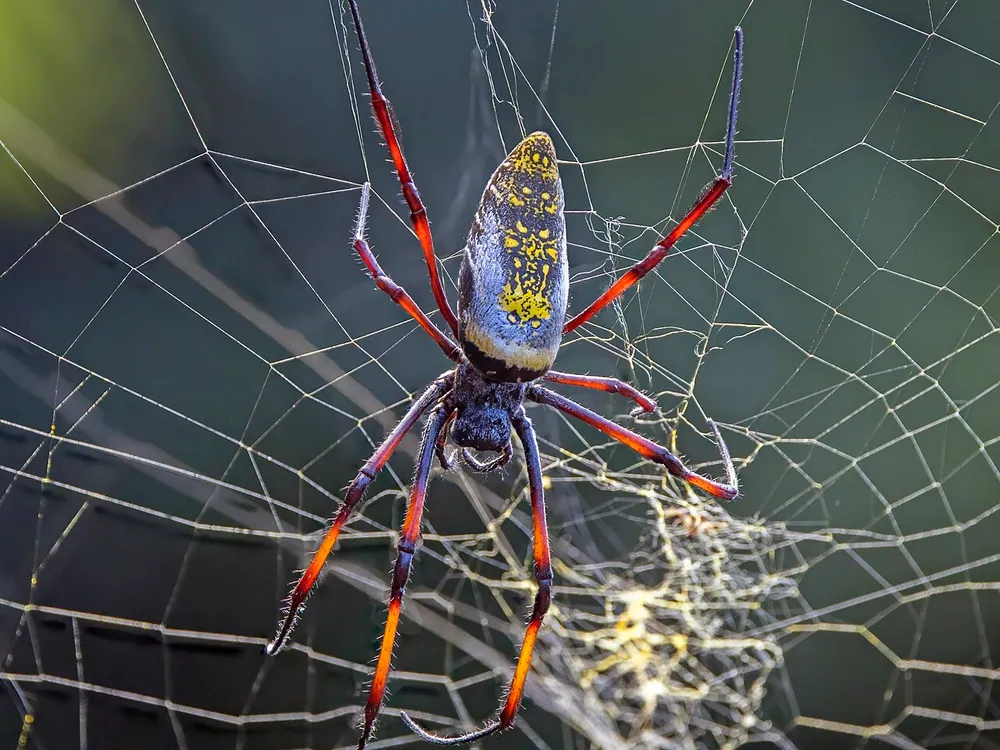
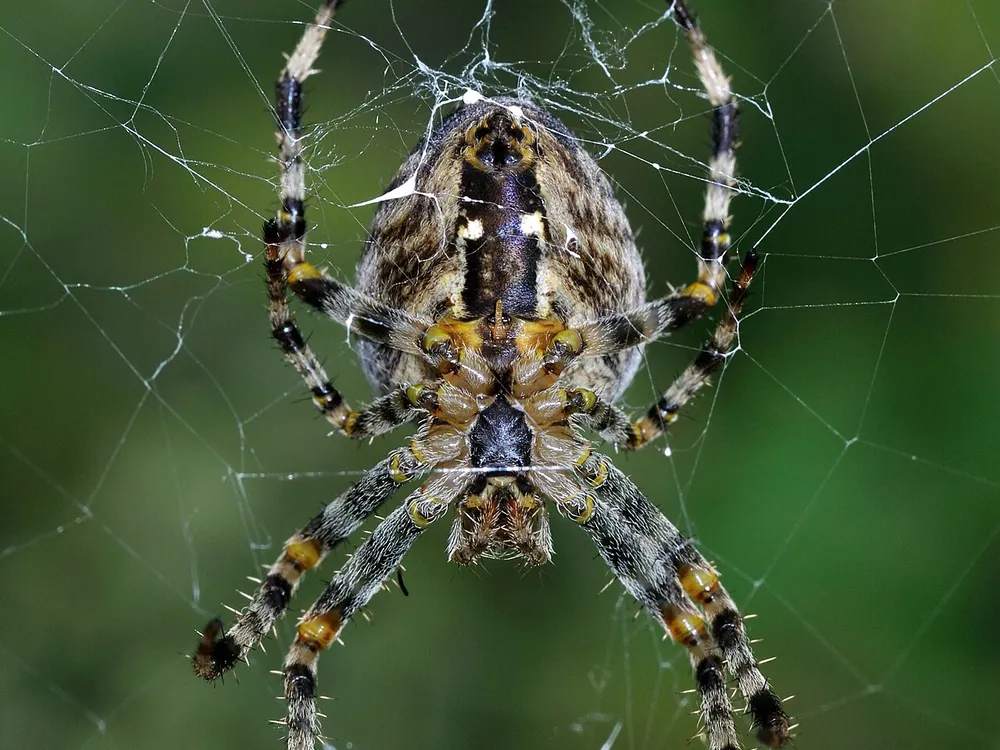
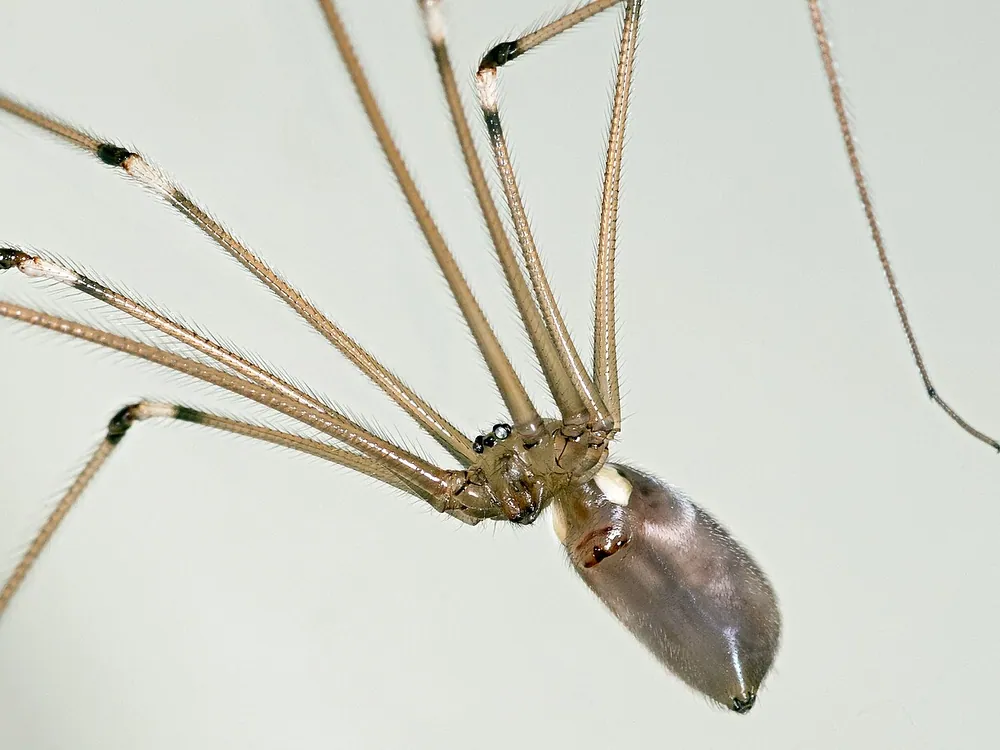
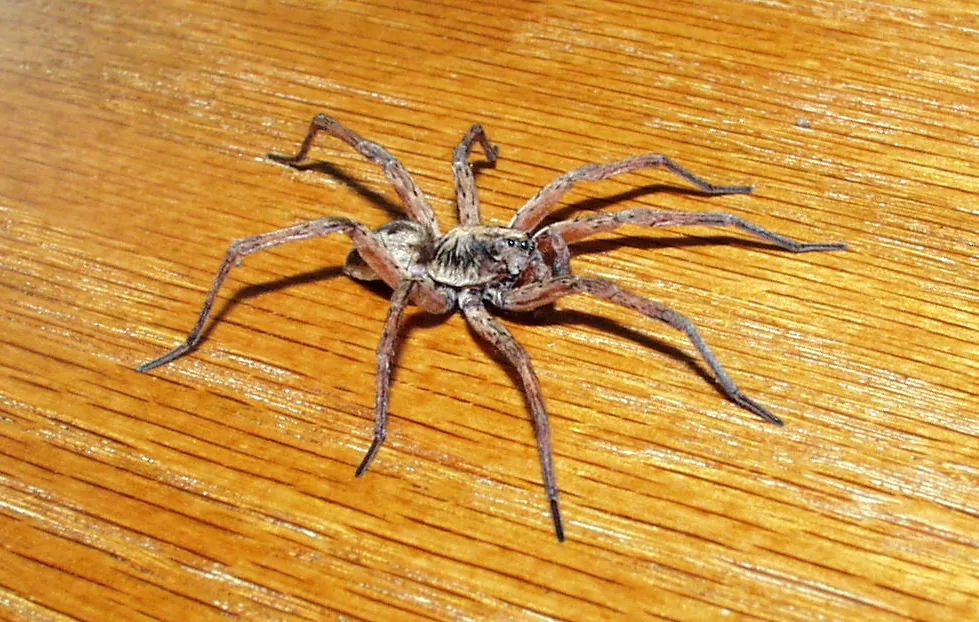
Browse by what you need to know
Deep-dive guides covering the spiders people search for most — what they look like, where they live and whether they bite.
Built for spiders — not generic photos
A field guide is slow and a generic photo app is vague. Spider Identifier is tuned for one job and flags what matters: risk.
| Feature | Spider Identifier | Field Guide | Generic Photo App |
|---|---|---|---|
| Speed | Instant (< 3s) | Slow page-flipping | Fast |
| Venom risk alerts | Built in | Manual cross-reference | None |
| Look-alike warnings | Yes | Sometimes | Rarely |
| Arachnology-tuned | Yes | Yes (expert needed) | No |
| Beginner friendly | Designed for it | Requires expertise | Generic results |
| Works on mobile | Yes | Carry a book | Yes |
Spider guides & field notes
Expert-written identification guides, species spotlights and safety advice.
What AI can't tell you
A photo captures shape, colour and texture — but not everything. Knowing the limits is what makes the tool trustworthy, especially when safety is on the line.
For a suspected venomous bite, never rely on a photo. Seek professional or medical advice immediately.
Closest match, not a verdict
The AI returns the most likely species with a confidence score — treat it as a strong hypothesis, not a guaranteed identification.
Environmental noise misleads
Busy backgrounds, harsh shadows and reflections can confuse detection. A clean, well-lit photo dramatically improves the result.
Some species need a microscope
A handful of look-alikes can only be separated by microscopic traits no camera can capture. We flag uncertainty rather than fake confidence.
Location is optional
Regional data sharpens accuracy, but it is only used when you choose to share it — so a global guess is always possible.
People also ask
Everything you might wonder before you upload your first photo.
Yes. With a clear, well-lit image, machine-learning models reach high accuracy for common, distinctive species. Accuracy drops for blurry photos, juveniles, or species that can only be separated under a microscope — which is why we always show a confidence score rather than a false guarantee.
Found a spider? Know it in seconds.
Upload a photo and get an instant species match with a clear venom-risk indicator. Free to try — no account, no app, no waiting.